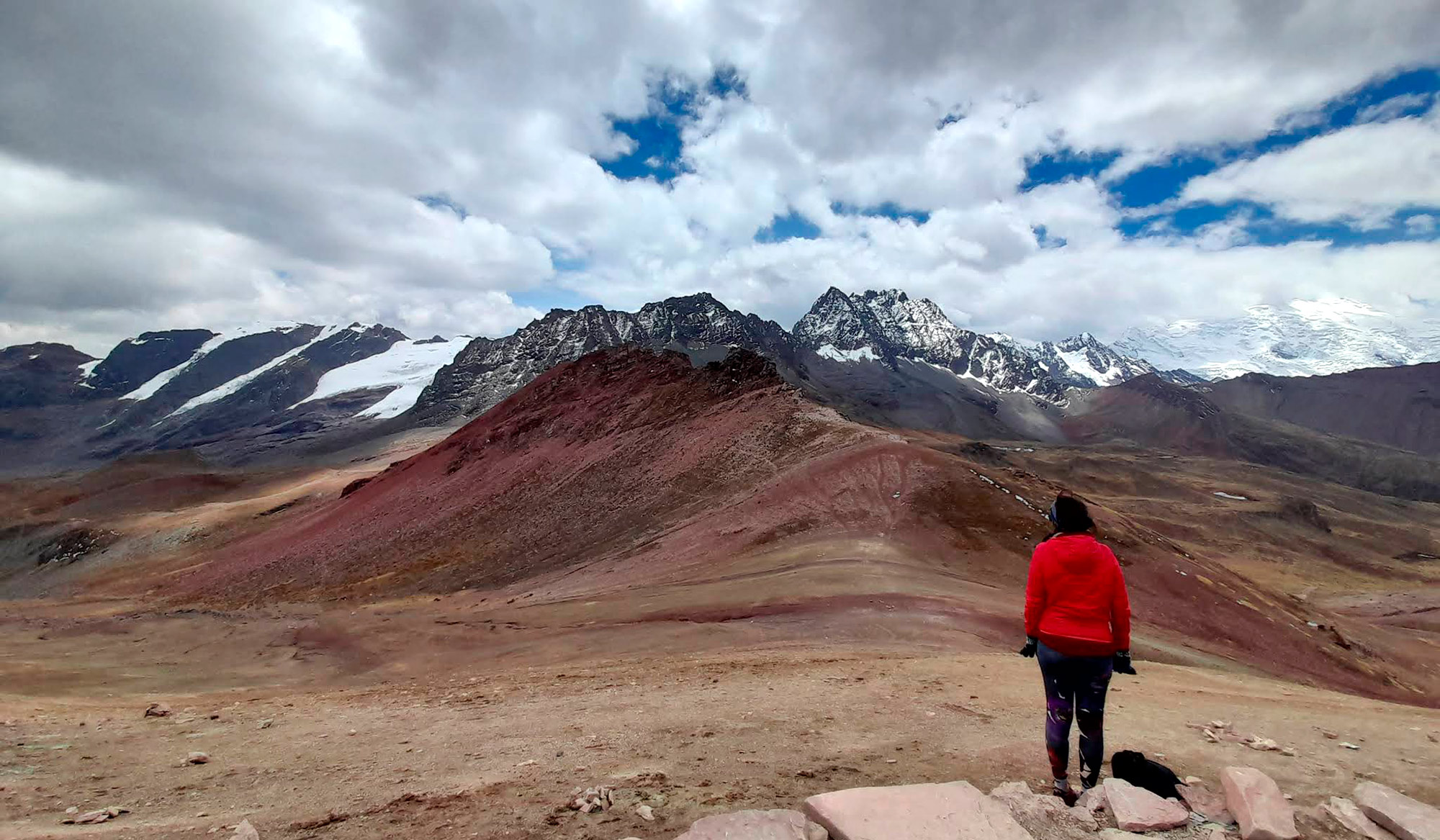
The journey to the 7 Colors Mountain “Vinicunca” is a high-altitude experience in every sense. If you’re not used to hiking in elevated areas, it’s best to prepare in advance so you can fully enjoy it. Exploring the Andean landscapes surrounding this destination is one of the most memorable adventures you can experience in Cusco. Discover everything you need to know about this natural treasure here and begin your trip fully prepared to turn it into an unforgettable memory.
Contents
The 7 Colors Mountain
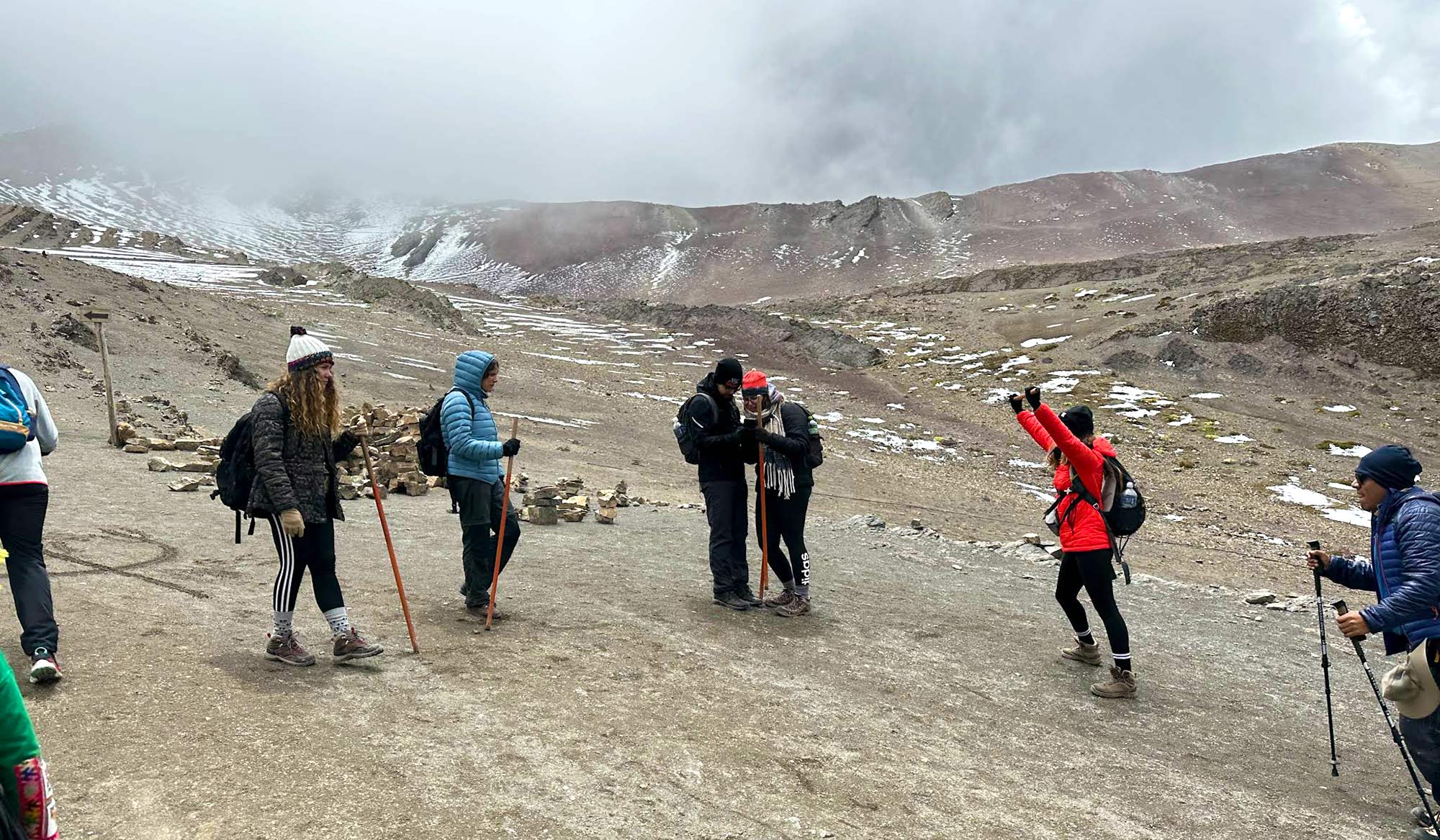
- One of Peru’s top natural tourist attractions is the 7 Colors Mountain, also known as Vinicunca or Rainbow Mountain.
- What makes this mountain unique is its dreamlike landscape, where you can see shades ranging from ochre red and brown to white, blue, green, and more.
- The intensity of its colors depends greatly on the position of the sun throughout the day. Bright sunlight reveals vivid and vibrant tones, while cloudy skies create a more muted appearance.
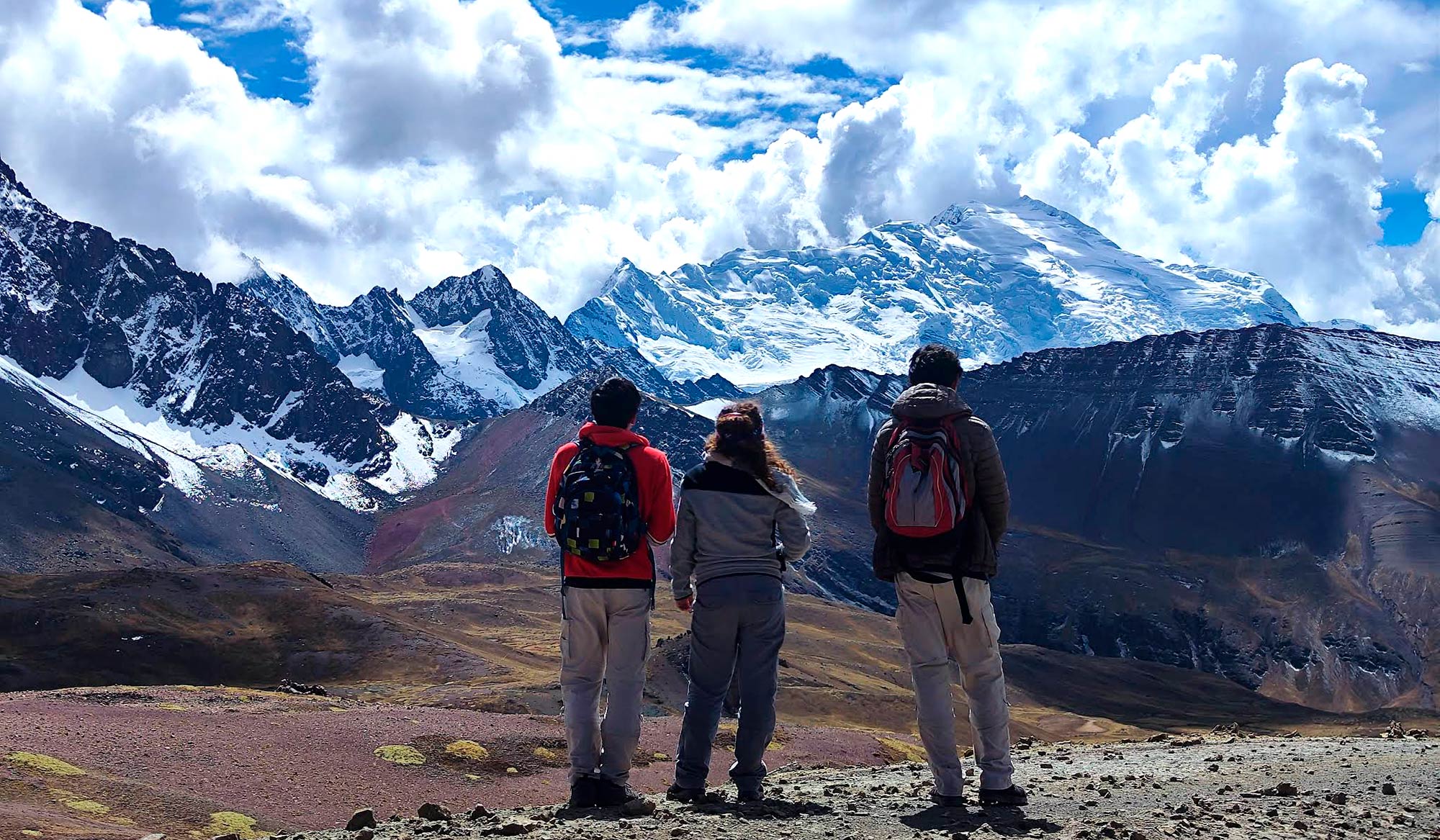
- From this breathtaking landscape at the Vinicunca Pass, you can fully admire the Ausangate snow-capped mountain and a colorful mountain range with a variety of natural tones.
- This natural attraction was covered in ice until just a few years ago. Since 2016, it has become one of the most visited destinations in Cusco and all of Peru.
- Getting there involves a combination of a 3-hour drive followed by a 2-hour hike, which can be physically demanding. However, horses are available in the area to help visitors along the route.
What Altitude Is the 7 Colors Mountain Located At?
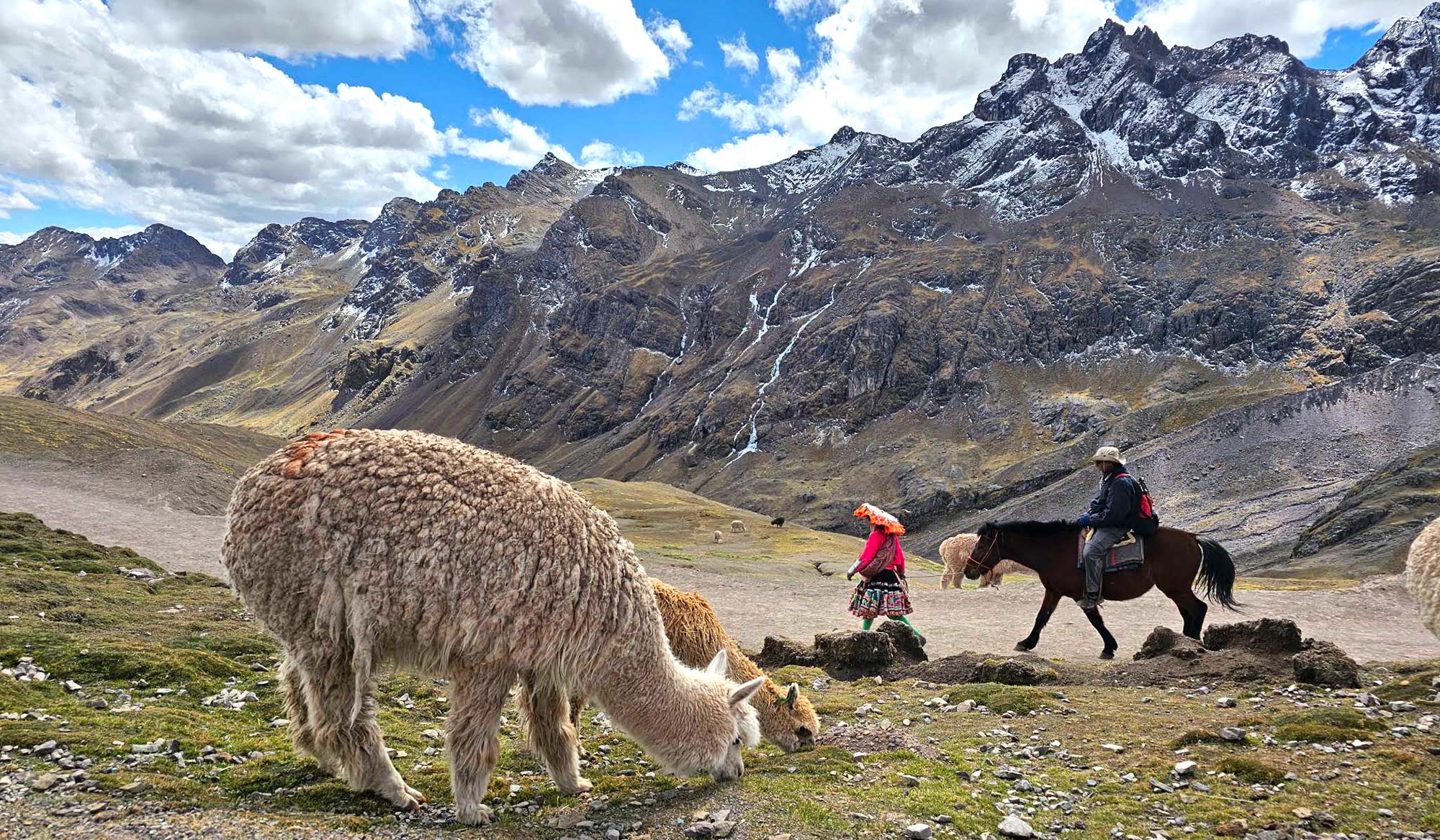
- The 7 Colors Mountain sits at 5,200 meters above sea level, making it a very high-altitude destination.
- It is located in the Peruvian Andes, in the district of Pitumarca, province of Canchis, in the Cusco region.
- No matter the season of your trip, the summit will always be cold, so dressing warmly is essential.
- Rain, wind, and altitude sickness (soroche) can become the biggest challenges when visiting the 7 Colors Mountain. That’s why it’s important to always bring a rain poncho and acclimatize beforehand.
The Best Way to Visit the 7 Colors Mountain
Choosing an all-inclusive tour is, without a doubt, the best way to visit the 7 Colors Mountain. Getting there on your own can be difficult: there is no public transportation, the journey is long, and departures usually begin before dawn. In addition to being one of the most affordable tours in Cusco, this experience includes full transportation, a professional guide, buffet breakfast, buffet lunch, and entrance fees. You can book it just a few days in advance without worrying about planning the itinerary — simply focus on enjoying the experience.
Tips to Prepare for Altitude Sickness
- Altitude sickness, also known as soroche or mountain sickness, is caused by the body’s difficulty adapting to the lower oxygen levels found at high elevations.
- The 7 Colors Mountain sits at 5,200 meters above sea level, so you may experience altitude sickness if you do not take the necessary preventive measures.
- The most common symptoms of altitude sickness include nausea, fatigue, exhaustion, dizziness, insomnia, loss of appetite, headaches, and an increased heart rate.
- Upon arriving in the city of Cusco (3,399 meters above sea level), and before traveling to the 7 Colors Mountain, it is highly recommended to rest on your first day and avoid major physical exertion.
- You should also be cautious with your meals, as heavy foods and alcoholic beverages can worsen the discomfort and intensify altitude sickness symptoms.
- During all your excursions, remember to stay hydrated at all times. Drinking coca tea or any hot herbal infusion can also help relieve symptoms.
- Visiting lower-altitude towns in the Sacred Valley is also a great option during your first days in Cusco to help your body acclimatize, since they are located at lower elevations: Pisac (2,972 m above sea level), Ollantaytambo (2,792 m above sea level), Urubamba (2,871 m above sea level), Yucay (2,857 m above sea level), and Calca (2,929 m above sea level).
- If you plan to follow a varied travel itinerary in Cusco, it is highly recommended to leave the 7 Colors Mountain tour for the final days of your trip, as it is the most elevated popular tourist destination in the region.
- Lastly, getting enough rest will help your body recover and adapt more effectively to the altitude.
| Main Remedies for Altitude Sickness | ||
|---|---|---|
| Remedy | Type | Benefits |
| Sorojchi Pills | Medication | Fast-acting relief. |
| Coca Tea | Traditional | Light, comforting, and natural. |
| Chewing Coca Leaves | Traditional | Highly effective for boosting energy and tolerance. |
| Muña Tea | Herbal Remedy | Light, comforting, and natural. |
| Lemon Balm / Lemongrass | Herbal Remedy | Light, comforting, and natural. |
| Light Soup or Broth | Traditional Home Remedy | Provides energy without feeling heavy. |
| Andean Eucalyptus Aromatherapy | Traditional Home Remedy | Very soothing and comforting. |
| Extended Rest | Definitive Measure | The most effective option. |
Places to Acclimatize to the Altitude
During your first days in the city of Cusco, it is recommended to acclimatize in lower-altitude locations. Some of the most popular options include towns in the Sacred Valley such as:
- Pisac: Located at 2,972 meters above sea level, it is an ideal place to enjoy not only the pleasant climate, but also its archaeological site and popular artisan market.
- Urubamba: Located at 2,871 meters above sea level, it is considered the capital of the Sacred Valley, where you will find top-tier tourist services as well as many light outdoor activities.
- Calca: Located at 2,929 meters above sea level, this town is surrounded by agricultural fields and diverse flora, making it ideal for nature-focused excursions.
- Yucay: Located at 2,857 meters above sea level, it is one of the most beautiful towns in the Sacred Valley, where the main attraction is strolling through its classic colonial streets surrounded by mountains.
- Ollantaytambo: Located at 2,792 meters above sea level, this town allows visitors to explore its original Inca streets and visit the impressive Inca fortress that dominates the landscape. It is also the main departure point for traveling to Machu Picchu.
Questions and Answers
-
1. What altitude is the 7 Colors Mountain located at?
When you arrive at the 7 Colors Mountain, you will be at 5,200 meters above sea level, a very high-altitude area. It is an incredible experience, but your body needs time to acclimatize beforehand. We recommend resting in Cusco for at least one day before the tour and avoiding intense physical activity.
-
2. Do I need to acclimatize before hiking the 7 Colors Mountain?
Yes, absolutely. Ideally, you should rest on your first day in Cusco, stay well hydrated, and choose light activities or visit lower-altitude areas such as Pisac or Ollantaytambo. This helps your body adjust better and allows you to fully enjoy all your excursions.
-
3. How difficult is the hike to the 7 Colors Mountain?
The hike takes approximately 2 hours and is challenging mainly because of the altitude, not the distance. You can walk at your own pace, and if needed, horses are available in the area to assist with both the ascent and the return journey.
-
4. What symptoms of altitude sickness might I experience?
The most common symptoms of altitude sickness include headaches, nausea, dizziness, fatigue, loss of appetite, and shortness of breath. If symptoms appear, take it slow, breathe deeply, and continue the hike gently.
-
5. What can I do to prevent altitude sickness before the tour?
Get plenty of rest, eat light meals, avoid alcohol, stay constantly hydrated, and acclimatize in mid-altitude areas. All of these measures help your body respond better during the hike.
-
6. What natural remedies can I use?
Coca tea, muña tea, lemon balm, or even a light broth are excellent alternatives. These traditional infusions and foods help relieve discomfort and provide comfort to your body.
-
7. Should I bring medication for altitude sickness?
If you want extra prevention, you may bring Sorojchi Pills or any medication recommended by your doctor. We suggest using them only if you have previously had difficulty with high altitudes or if your body is particularly sensitive.
-
8. Is it very cold at the 7 Colors Mountain?
Yes, the weather is cold year-round, especially at the summit. Bring warm clothing, gloves, a hat, and a windproof jacket. A rain poncho is also essential, as the weather can change quickly.
-
9. Is it recommended to visit on my own?
It is not the best option, since public transportation does not reach the area and the route is long. An organized tour provides safe transportation, a professional guide, breakfast, lunch, and everything you need so you can focus on enjoying the experience.
-
10. What happens if I feel very sick during the hike?
If the discomfort becomes severe, the best thing to do is stop and notify your guide. They will assess the situation with you and, if necessary, help you return or receive assistance in the area. The most important thing is not to push yourself and to prioritize your well-being.